Skip to content

Reduce

Reduce

Advancing Ocean-Based Pathways to Decarbonization

Climate stability and ocean health are inseparable. Rising greenhouse gas emissions drive ocean warming, acidification, and deoxygenation—threatening ecosystems, economies, and communities worldwide.

Cutting greenhouse gas emissions is essential to protecting ocean systems and ensuring long-term resilience.

The Ocean's Role

matt-paul-catalano-0QEG_xOoY7Y-unsplash_1

The ocean has a critical role to play in reducing greenhouse gas emissions across several sectors. Many of these potential ocean-based pathways to decarbonization remain underdeveloped and underinvested.

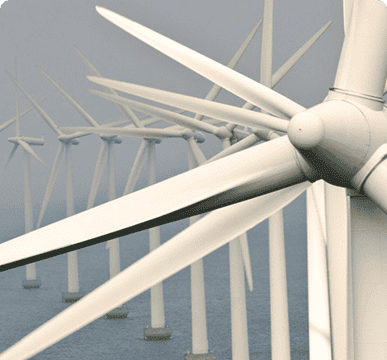
Energy: Vast marine renewable resources, such as wave energy and offshore wind, offer the potential of reliable clean energy but require significant investment to further develop various related technologies and build pathways to scale meaningfully.
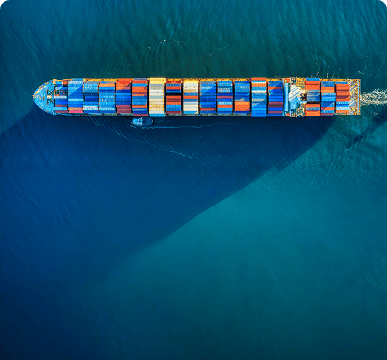
Transportation: Decarbonizing international shipping, a major global source of CO2 emissions, is achievable through efficiency gains, development of alternative fuels, and new propulsion systems.
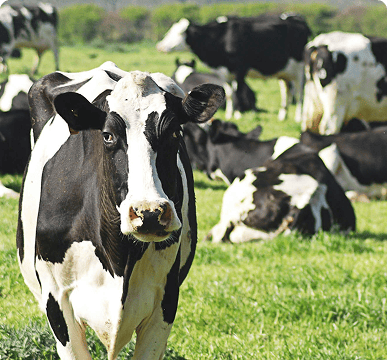
Agriculture: Ocean-derived inputs, such as seaweed-based livestock feed and plant stimulants, can potentially reduce emissions from land-based agriculture.

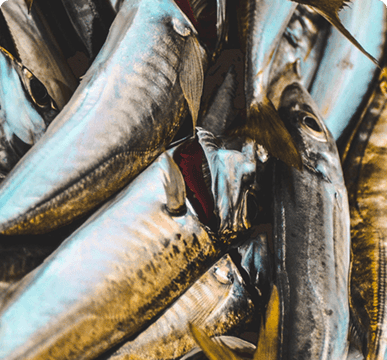
Food: Sustainable aquaculture and fisheries already provide lower-carbon nutrition for people, but there is still significant growth potential in expanding adoption and including more cultivated and plant-based ocean foods—especially seaweed products.

What We're Doing

Ocean Visions works to increase knowledge of, and attention to, new and underinvested technologies, and to advance the enabling environments needed to bring viable approaches through development.

We accelerate the conditions for solutions to be developed and tested and, if effective, scaled responsibly. We act as a:

Catalyst: identifying high-potential, underinvested pathways
Integrator: convening experts across science, industry, and policy to overcome hurdles
Enabler: identifying and addressing the scientific, market, and policy barriers and opportunities for progress

Areas of Focus

oleksandr-sushko-tsVTOprsIYU-unsplash_1

Following a 2025 in-depth analysis of more than 20 ocean-based decarbonization pathways, we are currently working to progress efforts in two areas:


Seaweed-Based Products for Decarbonization

Seaweeds offer significant potential to replace carbon-intensive products across food, materials, and agriculture. Ocean Visions’ Seaweed-Based Products for Decarbonization Road Map (to be published in early June, 2026) is an open-access, interactive, strategic blueprint designed to align interested parties around the scaling of seaweed-based low-carbon products. Sections include:

  • Agricultural Uses
  • Biomaterials
  • Blue Food and Animal Feed
  • Fuels
  • Critical Minerals

Ocean Visions is now working to mobilize philanthropic and public capital to support innovation and infrastructure for select priorities and to help address market challenges that prevent scale-up.

Profiling Underexplored Ocean-Based Decarbonization Pathways

Beyond seaweed, there are multiple underexplored ocean-based pathways that could contribute to a global transition to a low carbon society, including:

  • Marine renewable energy technologies
  • Low-emissions clean shipping
  • Low-carbon ocean foods and bioproducts

Ocean Visions actively supports advancement of these pathways. We profile technology, policy, and market priorities and opportunities in a variety of international arenas and work to better integrate ocean-based decarbonization into both national-level climate strategies and international development and climate finance.

Dive Deeper

Ocean Visions has a four-part strategic agenda to confront the ocean-climate crisis

Remove

Advancing Ocean-Based Pathways for Cleaning Up Carbon Pollution

Repair

Exploring Interventions to Prolong Health of Critical Marine Ecosystems

Reach

Building a Global Ocean-Climate Solutions Community