
Professor Thomas Jung is an expert in the analysis, modeling, and prediction of weather and climate, affiliated with the Alfred Wegener Institute, Helmholtz Centre for Polar and Marine Research in Germany. His academic journey began with a PhD in Atmospheric Physics, awarded in 2000 by the University of Kiel in conjunction with the Institute for Marine Research, now known as GEOMAR. Following his doctoral studies, Professor Jung worked for 10 years in the Research Department of the European Centre for Medium-Range Weather Forecasts (ECMWF) in the UK. In his current roles, he serves as the head of the Climate Dynamics section and vice director at the Alfred Wegener Institute. Additionally, Professor Jung acts as the spokesperson for AWI’s research programme “Changing Earth – Sustaining our Future”. He also holds the position of full professor for physics of the climate system at the University of Bremen. Beyond his academic and leadership roles, Professor Jung is know for his active engagement in various scientific committees. His expertise and dedication are further exemplified through his coordination of several major research initiatives. For example, he led the Year of Polar Prediction (YOPP) of the World Meteorological Organisation (WMO); and he is currently coordinating the Eddy Rich Earth System Models (EERIE) project, which is supported by the EU Horizon Europe program.
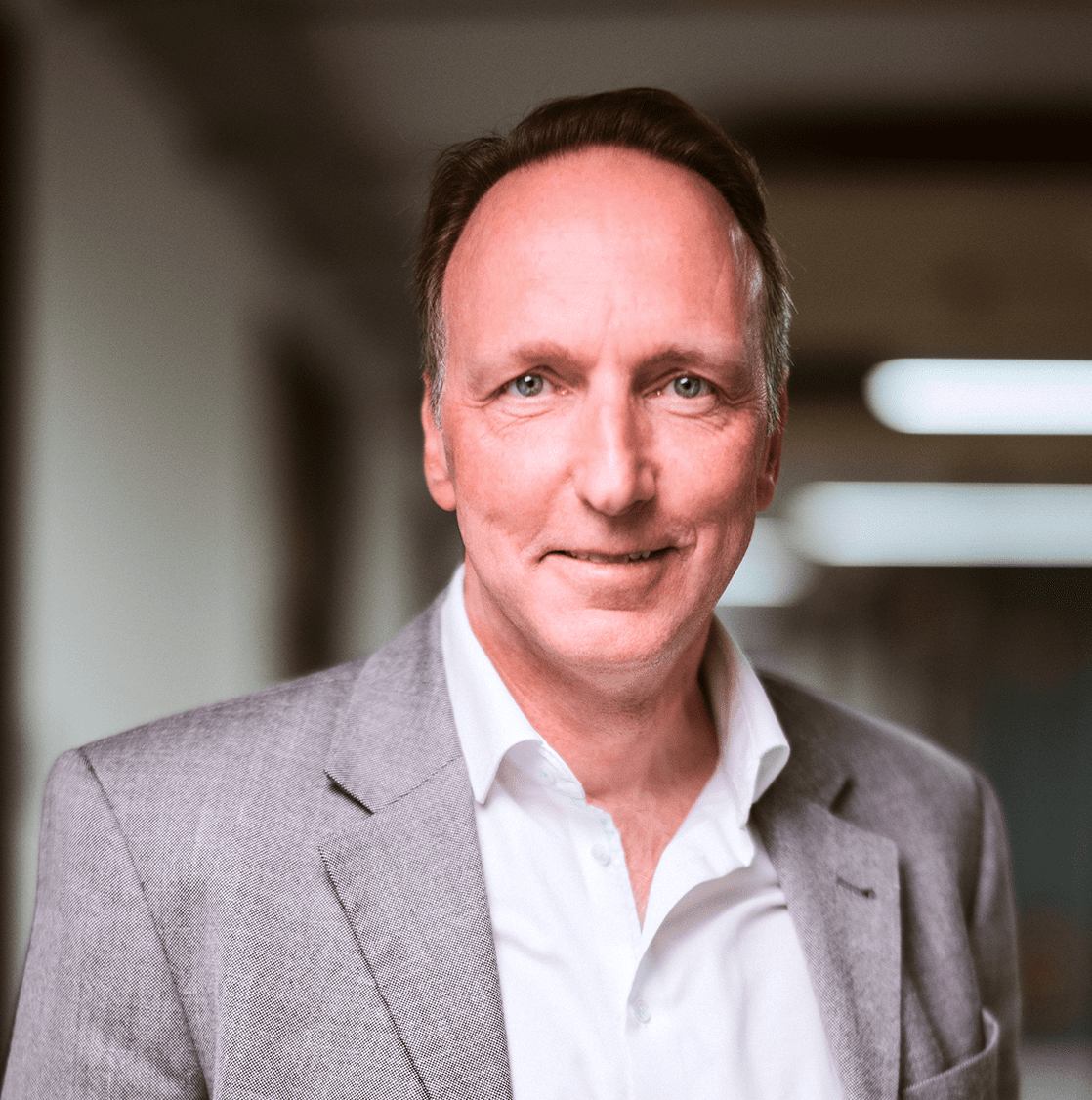
Thomas Jung - Lead Project Investigator
Head of the Climate Dynamics Section at the Alfred Wegener Institute, Helmholtz Centre for Polar and Marine Research (AWI) & Professor for Physics of the Climate System (Theory and Models), University of Bremen
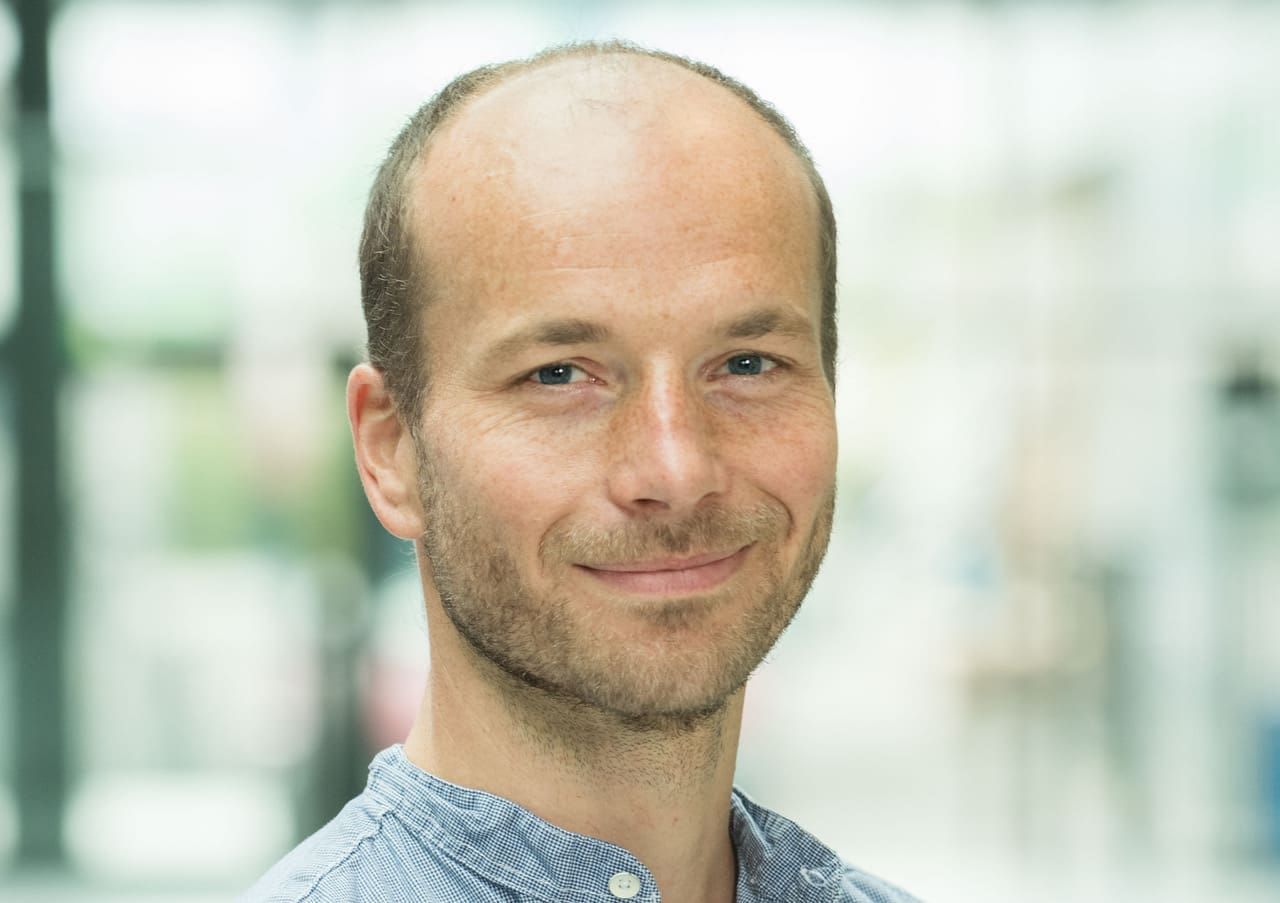
Helge Goessling
Senior Scientist and Research Group Leader at the Alfred Wegener Institute, Helmholtz Centre for Polar and Marine Research
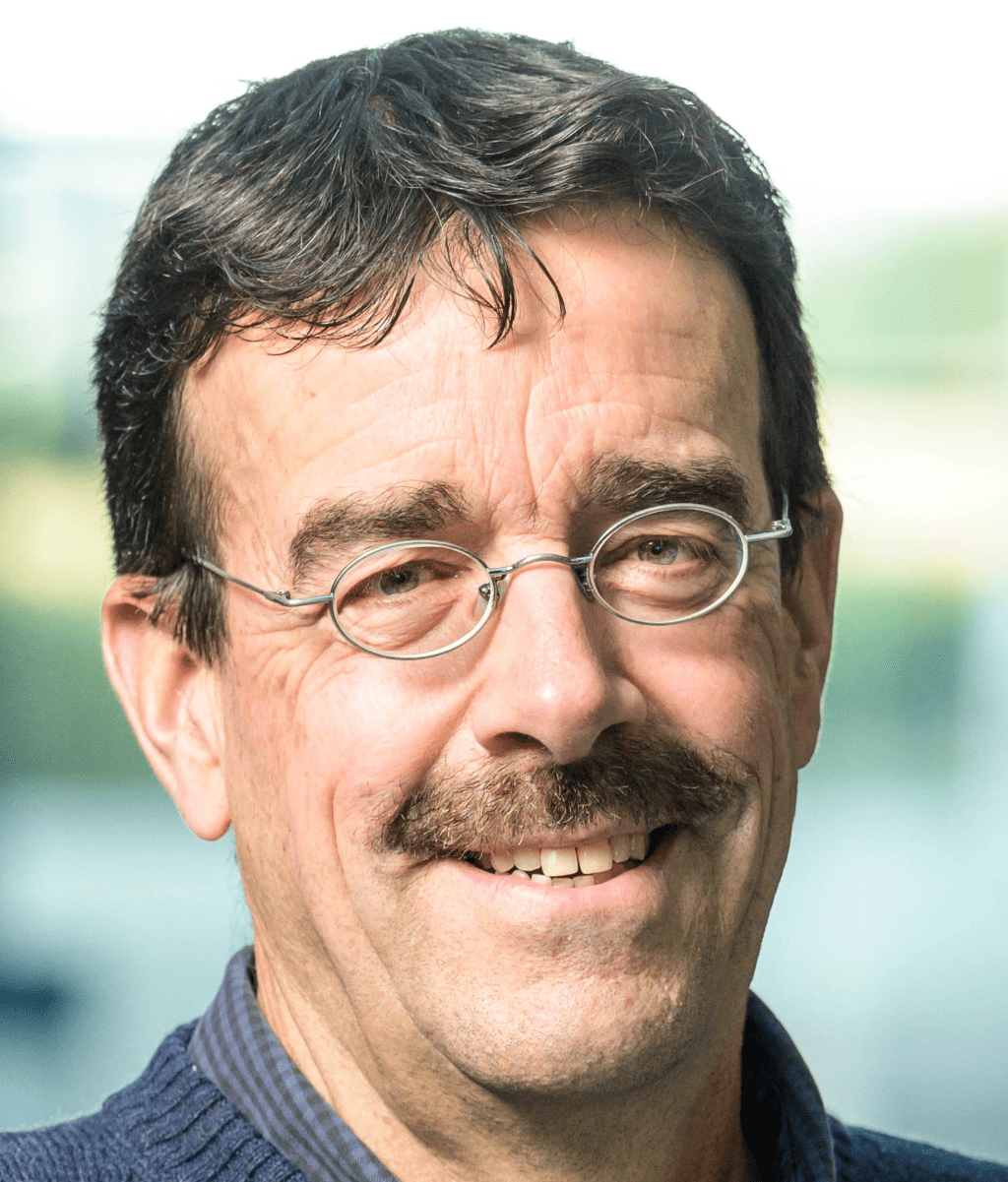
Christian Haas
Head of the Sea Ice Section at the Alfred Wegener Institute, Helmholtz Centre for Polar and Marine Research
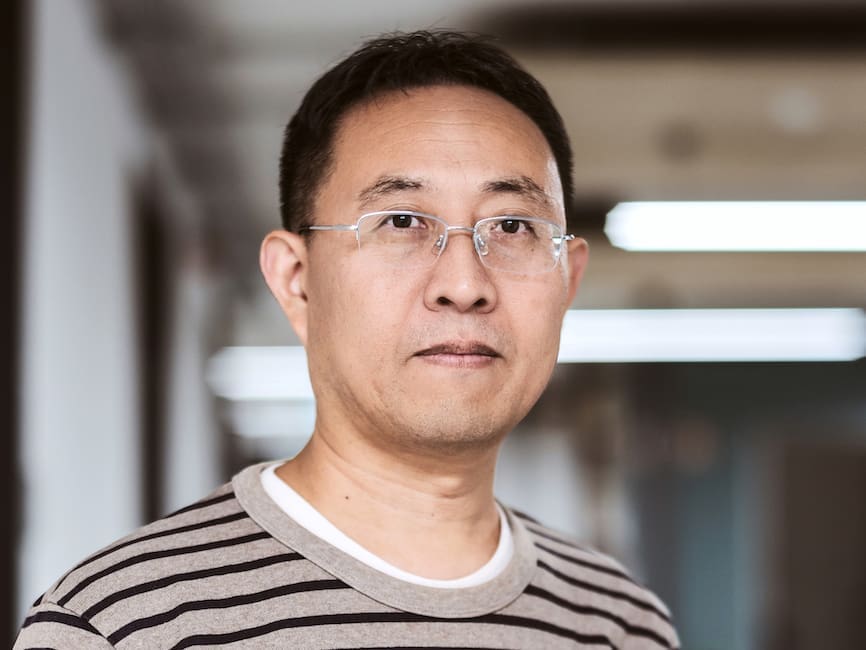
Qiang Wang
Senior Scientist at the Alfred Wegener Institute, Helmholtz Centre for Polar and Marine Research