Skip to content

Project: Leveraging Next-Generation Satellite and Suborbital Observations to Guide Mixed-Phase Cloud Thinning for Arctic Sea-Ice Preservation

For mixed-phase cloud thinning to be a viable method for cooling the Arctic and restoring sea ice, there would need to be enough of the right type of cloud present to be thinned by seeding (clouds containing supercooled liquid water), at the right time (polar night) to produce the desired climate forcing (cooling).Unfortunately, accurately measuring these clouds, especially at night, is very challenging with current satellite products. Our project will develop a new satellite-based Arctic cloud observation product using recently launched satellites with unprecedented resolution in the far-infrared spectrum (NASA’s PREFIRE CubeSats) and collocated radar, lidar, and imager instruments (ESA/JAXA’s EarthCARE).

We will compare the satellite observations to those made with an aircraft (as part of NASA’s ARCSIX campaign). These comparisons will be used to produce an algorithm that provides information on cloud properties and their radiative effects on the Arctic surface. Our framework will uniquely take into account the influence of the vertical thermal stratification of the Arctic – considering both the surface and atmosphere – helping us to determine where and when mixed-phase cloud seeding would, or would not, have potential as a climate intervention strategy.

Team Members

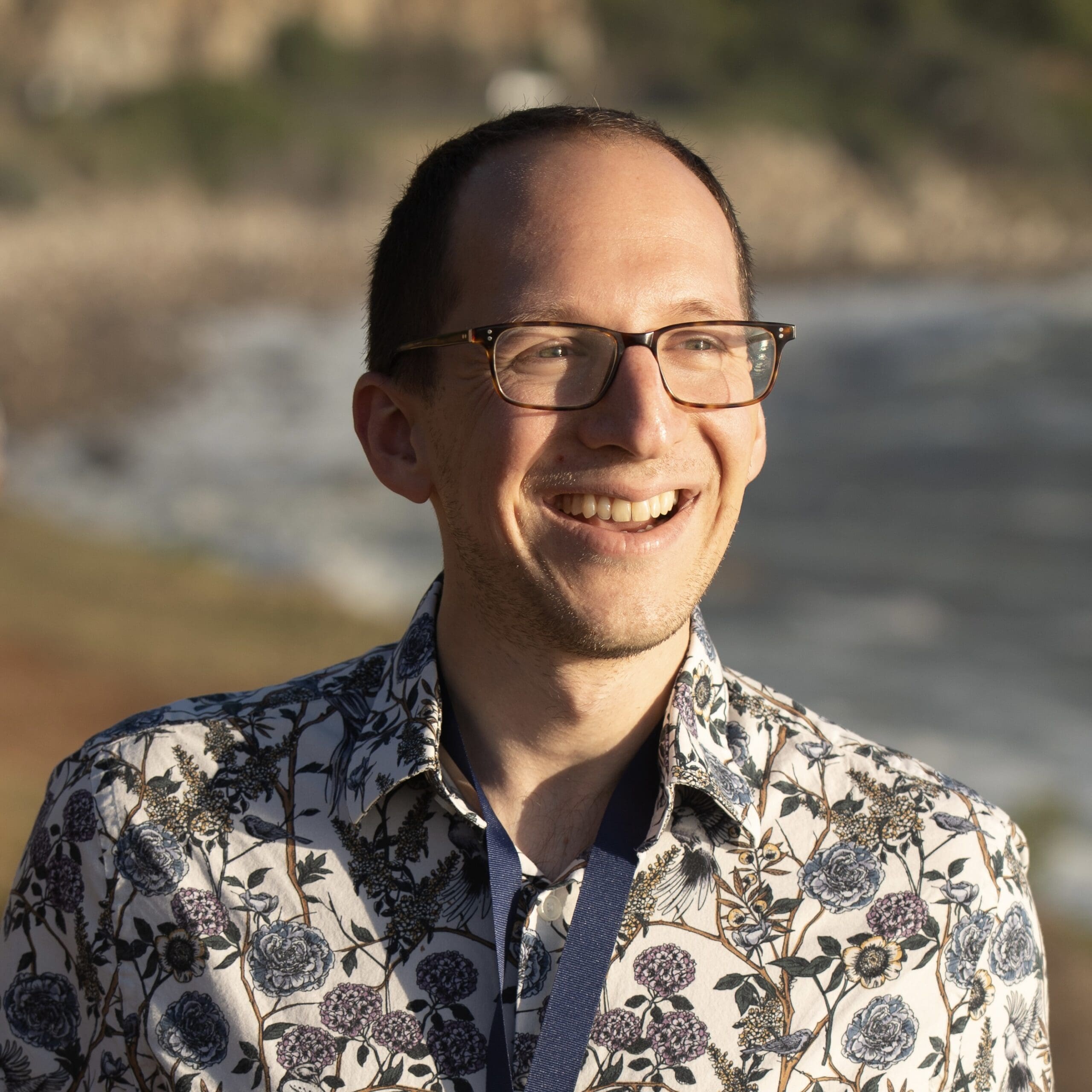
IvyTan

Ivy Tan - Lead Project Investigator

Assistant Professorat the University of Colorado Boulder

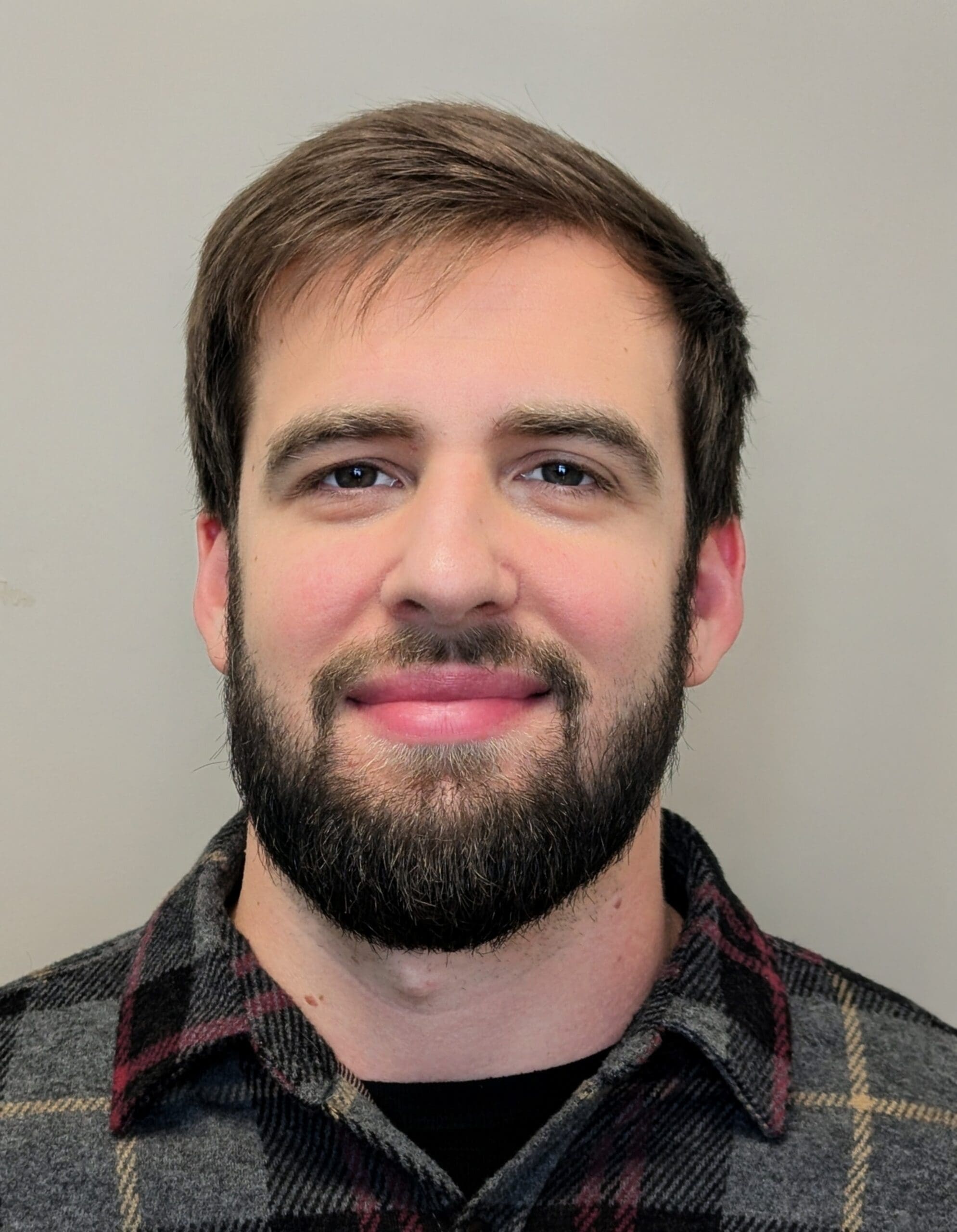
MichaelDiamond

Michael Diamond

Assistant Professor at Florida State University

ColtenPeterson

Colten Peterson

Assistant Research Scientist at the NASA Goddard Space Flight Center

Sebastian Schmidt

Sebastian Schmidt

Associate Professorat the University of Colorado Boulder

Artic Sea Ice Restoration Research Fund

Ocean Visions’ Arctic Sea Ice Restoration Research Fund supports high-priority, transparent research on the most promising and under-examined strategies to protect and restore Arctic sea ice. The Fund directs resources to first-order priorities identified in the Arctic Sea Ice Road Maps, enabling responsible progress where little activity currently exists. By pooling contributions from multiple donors, the Fund will be ever more capable of supporting research at the scale this challenge requires. LEARN MORE

Ivy Tan

Ivy Tan is an Assistant Professor in the Department of Physics at the University of Colorado Boulder.  Her research focuses on understanding the role of clouds in Earth’s present and evolving climate system using satellite and ground-based remote sensing instruments and large-scale climate models as tools.  She is particularly interested in modelling and observing small-scale processes and properties associated with cold clouds in Earth’s polar regions and linking them to large-scale climate impacts.

Michael Diamond

Michael Diamond is an Assistant Professor of Meteorology at the Florida State University Department of Earth, Ocean, and Atmospheric Science. His research focuses on how the interactions between pollution and clouds influences Earth’s climate using tools ranging from aircraft and satellite observations to computer models of high-resolution cloud fields and the global ocean-atmosphere circulation system. His recent work has focused increasingly on establishing a scientific baseline for evaluating proposed climate intervention techniques that may offset some of the impacts from greenhouse-gas-driven global warming.

Dr. Colten Peterson

Dr. Colten Peterson is an early career research scientist at the NASA Goddard Space Flight Center, where he is a member of the MODIS/VIIRS Cloud Algorithm Team. His research focuses on cloud remote sensing algorithm development for spaceborne and airborne imagers. This includes key contributions to cloud and radiation datasets for MODIS and VIIRS, and leading similar imager cloud/radiation algorithm efforts for the recent NASA ARCSIX airborne campaign which focused on remote sensing of polar clouds. Dr. Peterson’s research also focuses on cloud impacts on Earth’s radiative energy budget, particularly in the polar regions. In his free time, he enjoys playing music, rock climbing, and outdoor adventures with his dog.

Sebastian Schmidt

Sebastian Schmidt earned a PhD in Meteorology from the University of Leipzig in 2005 after studying physics in Leipzig (Germany) and Edinburgh (Scotland). He is an Associate Professor at the Department of Atmospheric and Oceanic Sciences and at the Laboratory for Atmospheric and Space Physics at the University of Colorado, Boulder. He specializes in aircraft, ground-based, and satellite observations to understand Earth’s radiative energy budget and cloud–aerosol–radiation interactions. His group develops techniques to characterize the atmosphere and surface, especially under spatially complex conditions. They have fielded radiometers and imagers for numerous aircraft campaigns around the globe. Currently, Sebastian serves as the science lead for the 2024 NASA Arctic Radiation-Cloud-Aerosol-Surface-Interaction experiment (ARCSIX). He also leads the development of a miniature limb-to-limb multi-angle camera for NASA’s Libera Earth Radiation Budget mission, to be launched in 2027.