


Skip to content

Project: Susceptibility of Arctic Sea Ice Energy Budget to Variations in Supercooled Clouds

Arctic sea ice is rapidly declining, threatening global climate stability, ecosystems, regional communities, and more. Marine Cloud Thinning (MCT) and Marine Cloud Brightening (MCB) have been proposed as potential intervention strategies to cool the Arctic and protect sea ice. To responsibly evaluate these approaches, we must first understand when, where, and to what extent Arctic clouds influence the surface energy budget over sea ice. This project will provide foundational knowledge on these processes.

The proposed research will quantify the first-order susceptibility of Arctic sea ice to cloud perturbations by examining how supercooled, liquid-containing, stratiform clouds affect the full surface energy budget across seasons and environmental conditions. Historical high-quality observations from two, year-long expeditions will anchor the analysis, providing the most reliable characterization available of cloud properties and their energetic effects over sea ice. To scale these insights across the various surfaces of the pan-Arctic region and throughout the year, we will evaluate and utilize an advanced regional model. By benchmarking model performance against observed process relationships, the project will create monthly maps of supercooled liquid-containing cloud occurrence and surface energy susceptibility, delivering a robust, observation-constrained framework for assessing Arctic MCT and MCB feasibility. 

This work will clarify seasonal windows and geographic zones where MCT or MCB may or may not be effective, distinguishing the conditions that limit intervention potential from those where meaningful action may be plausible. The project poses minimal risk, generates critical scientific understanding of cloud-cryosphere interactions, and directly informs future research directions, model development, and policy-relevant evaluation of climate intervention strategies in the Arctic.

Team Members

MatthewShupe

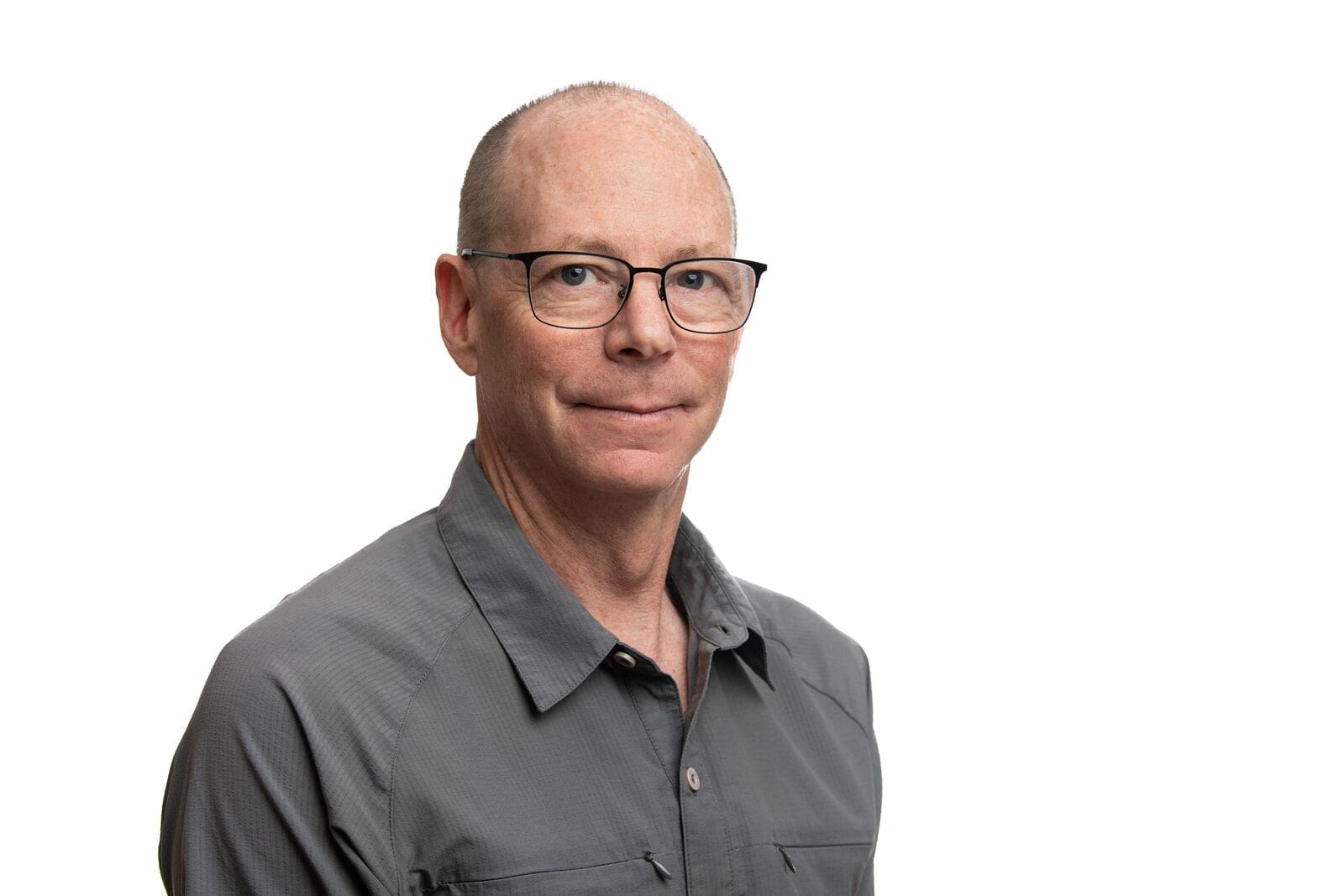
Matthew Shupe - Lead Project Investigator

Senior research scientist and Fellow at the Cooperative Institute for Research in Environmental Sciences at the University of Colorado

AndrewGettelman

Andrew Gettelman

Affiliate Professor at the University of Colorado Boulder

AnneSledd

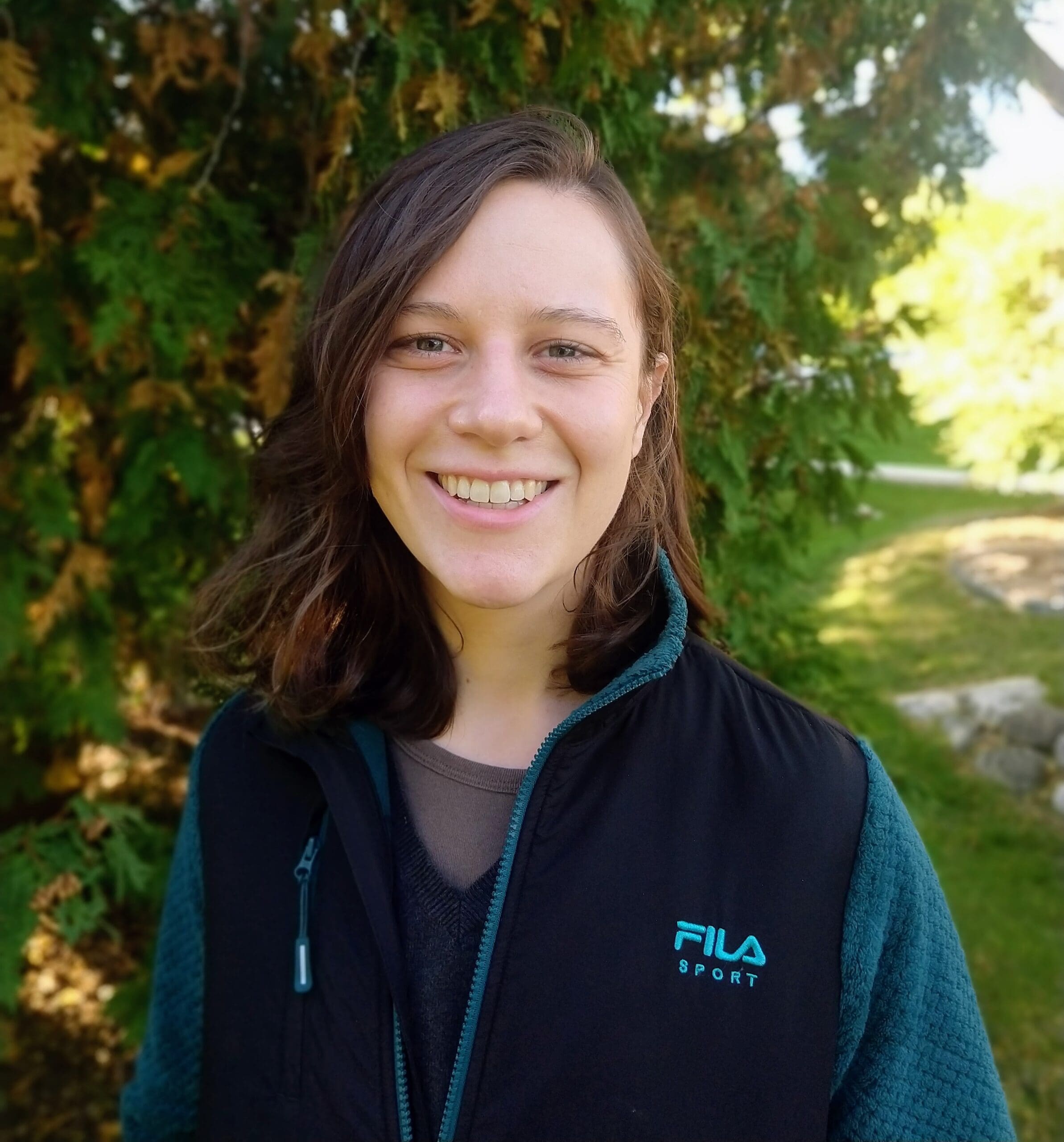
Anne Sledd

Research scientist at the Cooperative Institute for Research in Environmental Sciences at the University of Colorado

AmySolomon

Amy Solomon

Senior research scientist at the Cooperative Institute for Research in Environmental Sciences at the University of Colorado

Artic Sea Ice Restoration Research Fund

Ocean Visions’ Arctic Sea Ice Restoration Research Fund supports high-priority, transparent research on the most promising and under-examined strategies to protect and restore Arctic sea ice. The Fund directs resources to first-order priorities identified in the Arctic Sea Ice Road Maps, enabling responsible progress where little activity currently exists. By pooling contributions from multiple donors, the Fund will be ever more capable of supporting research at the scale this challenge requires. LEARN MORE

Dr. Matthew Shupe

Dr. 

Matthew Shupe is a senior research scientist and fellow at the Cooperative Institute for Research in Environmental Sciences at the University of Colorado, affiliated with the National Snow and Ice Data Center and the NOAA Physical Sciences Laboratory. He has observed and studied Arctic mixed-phase clouds for 28 years with specific focus on their interactions with the atmosphere, aerosols, precipitation, and the surface energy budget of changing Arctic sea ice, ice sheets, and terrestrial land surfaces. 

He has led major field observing activities in Greenland, Alaska, and over the Arctic Ocean, including co-coordinating the international MOSAiC research expedition. Dr. Shupe is currently a Mercator Fellow with the University of Leipzig, and recipient of the 2026 King Carl XVI Gustaf Professorship in Environmental Science at Stockholm University.


Dr. Andrew Gettelman

Dr. Andrew Gettelman is an Affiliate Professor at the University of Colorado at Boulder. Dr. Gettelman’s research seeks to understand critical earth system problems, across chemistry, climate and even weather with a focus on cloud processes.

 He has extensive experience in earth system model development (particular for cloud physics). Dr. Gettelman has served on science teams for satellite and field projects and led community model development efforts. Dr. Gettelman has a PhD in atmospheric sciences from the University of Washington and a BS in civil engineering from Princeton University.

Dr. Anne Sledd

Dr. Anne Sledd is a research scientist at the Cooperative Institute for Research in Environmental Sciences at the University of Colorado, affiliated with the NOAA Physical Sciences Laboratory and the National Snow and Ice Data Center. Dr. Sledd researches how the Arctic climate changes on timescales from days to decades through quantifying the exchange of energy and environmental conditions, such as snow, sea ice, and clouds, that impact it. 

She uses a variety of tools for understanding different processes and scales of Arctic energy budgets, from earth system models to satellites to field observations. Dr. Sledd earned her PhD in atmospheric and oceanic sciences from the University of Wisconsin-Madison, her MS in applied physics from the University of Oregon, and her BA in physics from Carleton College.

Dr. Amy Solomon

Dr. Amy Solomon is a senior research scientist at the Cooperative Institute for Research in Environmental Sciences at the University of Colorado, affiliated with the National Snow and Ice Data Center and the NOAA Physical Sciences Laboratory. Dr. Solomon’s research is focused on simulating the Arctic coupled system to advance process understanding and to produce forecast products to support NOAA and observational campaigns.

 In addition, she studies Arctic clouds using a variety of modeling tools at different scales and complexities. Specific to this project, she studies the processes that maintain Arctic supercooled liquid-containing clouds, including the role of coupling between water, energy, dynamics, and aerosols in maintaining these cloud systems. She has published multiple papers examining the pathways through which aerosols impact cloud phase partitioning and lifetime.