
Project: Bounding the Potential of Mixed-Phase Cloud Thinning to Slow Arctic Sea Ice Loss
Arctic sea ice is disappearing rapidly, and even strong cuts in greenhouse gas emissions may not be enough to prevent the Arctic Ocean from becoming largely ice-free in summer within a few decades. Because Arctic sea ice plays a critical role in reflecting sunlight and regulating global climate, its loss has consequences far beyond the Arctic itself. This has prompted careful scientific interest in targeted interventions that could help slow the loss of sea ice while emissions cuts continue.
This project will evaluate the potential of mixed-phase cloud thinning, a proposed approach that could slow sea ice loss by thinning certain low-level Arctic clouds. During winter months, these clouds trap heat near the surface, accelerating ice melt. Thinning these clouds could thus allow more heat to escape to space, potentially cooling the surface and helping to preserve sea ice.
The research will combine satellite observations with climate model simulations. Satellite data will be used to estimate how much cooling could realistically be achieved by thinning these clouds across different Arctic regions and seasons. Climate model simulations will then assess how Arctic sea ice responds to a given amount of cooling applied in specific locations and times of year.
By integrating these observational and modeling results, the project will bound how much Arctic sea ice preservation could be achieved through mixed-phase cloud thinning. The results will inform whether this approach merits further investigation or whether its potential impact is too limited to justify additional research.
Team Members


Jasper Kok
Lead Project Investigator
Professor at the University of California, Los Angeles
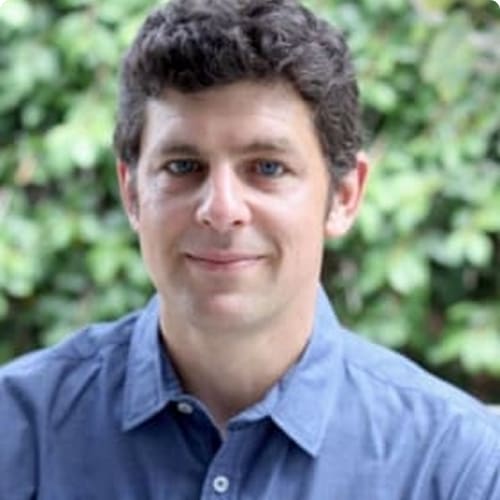
Ian Eisenman
Professor at the Scripps Institution of Oceanography at the University of California San Diego

Lauren Zamora
Associate Research Scientist at the Earth System Science Interdisciplinary Center at the University of Maryland, College Park
Artic Sea Ice Restoration Research Fund
Ocean Visions’ Arctic Sea Ice Restoration Research Fund supports high-priority, transparent research on the most promising and under-examined strategies to protect and restore Arctic sea ice. The Fund directs resources to first-order priorities identified in the Arctic Sea Ice Road Maps, enabling responsible progress where little activity currently exists. By pooling contributions from multiple donors, the Fund will be ever more capable of supporting research at the scale this challenge requires.